
Numerical protection relays play a vital role in safeguarding electrical power systems. With the growing complexity of power networks and the integration of renewable energy sources, traditional electromechanical relays are no longer sufficient. Numerical relays use microprocessor-based technology to provide accurate, fast, and flexible protection for generators, transformers, transmission lines, and distribution networks.
These intelligent devices not only detect faults but also offer monitoring, data logging, and communication features, making them essential for modern substations and smart grids.
Numerical protection relays are digital devices that analyze electrical signals such as current and voltage using embedded processors and algorithms. Unlike conventional relays, they convert analog inputs into digital data, process them in real time, and take protective actions when abnormal conditions are detected.
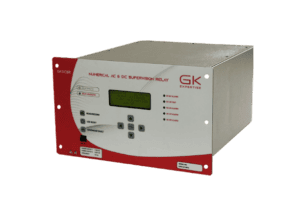
Modern power systems use different types of numerical relays depending on the equipment being protected:
1. Power Generation Protection
Numerical relays protect generators from faults such as short circuits, overloads, and loss of excitation. They help ensure uninterrupted power supply and prevent costly generator damage in power plants.
2. Transformer Protection
Transformers are expensive and critical assets. Numerical differential relays detect internal faults, overheating, and insulation failures, allowing rapid isolation before severe damage occurs.
3. Transmission Line Protection
High-voltage transmission networks rely on numerical distance relays for fast and selective fault clearance. This minimizes power outages and maintains grid stability during faults.
4. Distribution Network Protection
In distribution systems, numerical relays improve reliability by detecting feeder faults and coordinating with reclosers and circuit breakers to reduce downtime.
5. Substation Automation and Smart Grids
Numerical relays are key components of modern digital substations. They communicate with SCADA systems and integrate with smart grid technologies to enable remote monitoring, control, and predictive maintenance. Standards from organizations like IEEE and IEC guide their design and interoperability.
The future of numerical protection relays lies in digital substations, IEC 61850-based communication, and AI-driven fault analysis. With the expansion of renewable energy and microgrids, intelligent relays will play a critical role in adaptive protection schemes and real-time grid management.
Numerical protection relays are the backbone of modern electrical protection systems. Their speed, intelligence, and communication capabilities make them indispensable in power generation, transmission, distribution, and smart grid applications. As power systems continue to evolve, numerical relays will remain central to ensuring reliability, safety, and efficiency.